

Welcome to our blog post on minimizing slip and fall accidents and lawsuits in your business! We understand that the safety of your customers and employees is paramount, and nothing can put a dent in your reputation quite like an avoidable accident. That’s why we’re here to provide you with a step-by-step guide on how to create a safe environment that minimizes the risk of slip and fall accidents and potential legal headaches.
Conduct Regular Risk Assessments
Begin your slip and fall prevention strategy by conducting regular risk assessments of your business premises. Identify potential hazards such as uneven surfaces, wet or slippery floors, loose carpets, or inadequate lighting. Regular inspections allow you to address issues promptly, minimizing the likelihood of accidents. Develop a checklist and ensure that designated staff members are trained to identify and report potential hazards during their routine duties.
Implement Robust Cleaning Protocols
Slippery surfaces are a common cause of slip and fall accidents. Implementing robust cleaning protocols is essential to maintain a safe environment. Clean up spills promptly and use appropriate warning signs to alert individuals to wet floors. Regularly mop and maintain cleanliness in high-traffic areas, restrooms, and entryways. Train your cleaning staff on proper techniques and ensure they use non-slip cleaning products to reduce the risk of accidents.
Install Anti-Slip Flooring and Mats
Consider investing in anti-slip flooring materials and mats, especially in areas prone to moisture or spills. These surfaces provide additional traction, reducing the risk of slips and falls. Entryways, kitchens, and areas near restrooms are prime locations for anti-slip flooring. Additionally, strategically placing mats in high-traffic areas can absorb moisture and prevent slipping. Ensure that mats are properly secured to the floor to avoid tripping hazards.
Employee Training on Safety Protocols
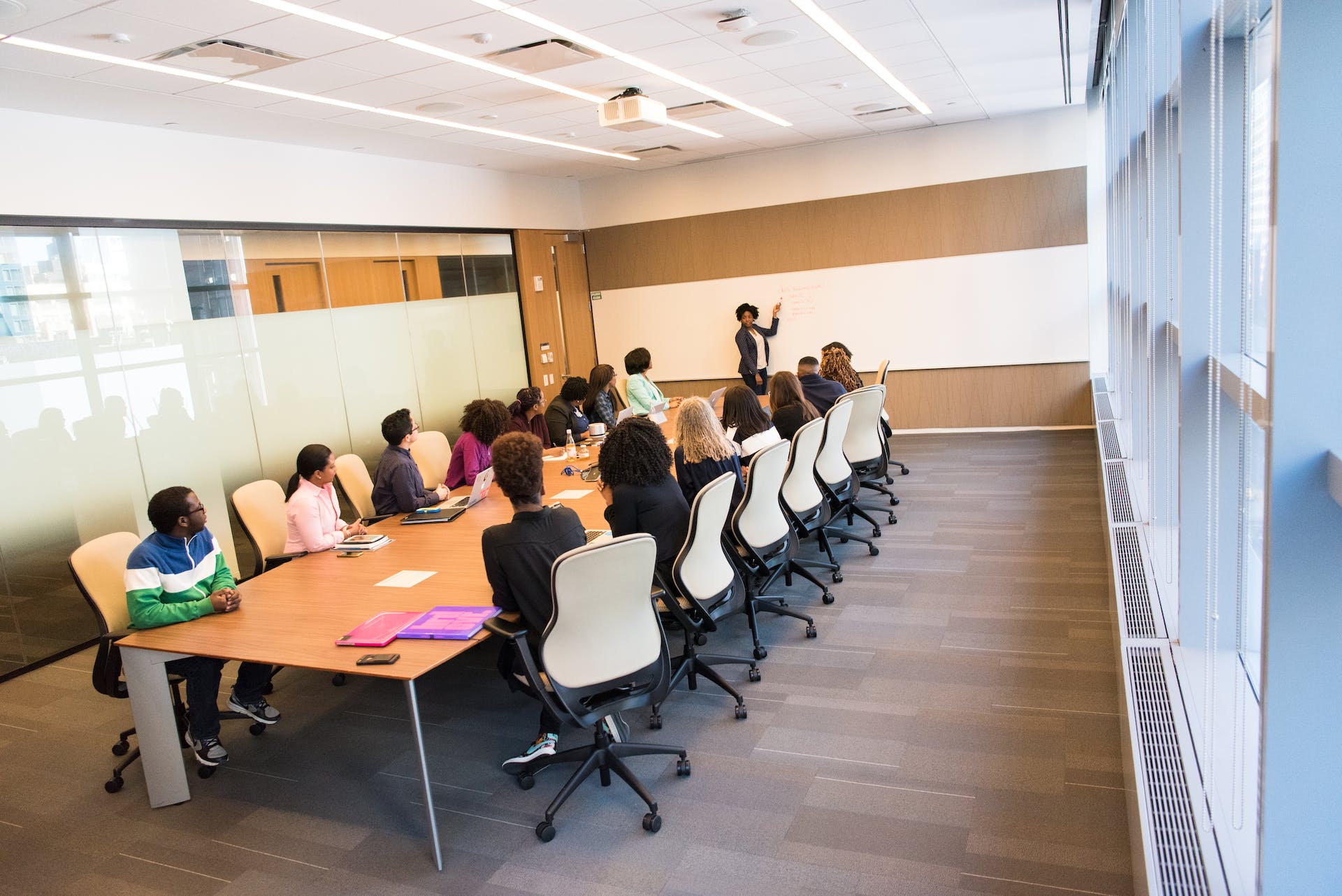
Employee training is a crucial component of preventing slip and fall accidents. Educate your staff on safety protocols, emphasizing the importance of promptly addressing spills, using caution signs, and maintaining a vigilant eye for potential hazards. Encourage a culture of safety where employees feel empowered to report and address safety concerns. Regular training sessions and reminders can reinforce safety practices and contribute to a safer working environment.
Adequate Lighting and Visibility
Poor lighting can contribute to slip-and-fall accidents by hindering visibility. Ensure your business premises are well-lit, especially in corridors, stairwells, and parking lots. Adequate lighting not only enhances visibility but also creates a safer and more secure environment. Regularly inspect and replace burnt-out bulbs, and consider installing motion-sensor lighting in dimly lit areas to ensure visibility when needed.
Clearly Mark Hazardous Areas
Clearly mark hazardous areas with warning signs or floor markings. Highlight wet floors, uneven surfaces, or areas under maintenance to alert individuals to exercise caution. Well-placed signs act as a visual reminder and can help prevent accidents by encouraging people to navigate carefully around potential hazards. Consistently enforce the use of caution signs during cleaning or maintenance activities to ensure the safety of both employees and customers.
Preventing slip and fall accidents on your business premises is not only a matter of safety but also a strategic approach to avoiding costly lawsuits. By conducting regular risk assessments, implementing robust cleaning protocols, installing anti-slip flooring, ensuring adequate lighting, clearly marking hazardous areas, and providing employee training on safety protocols, you can create a safer environment for everyone.